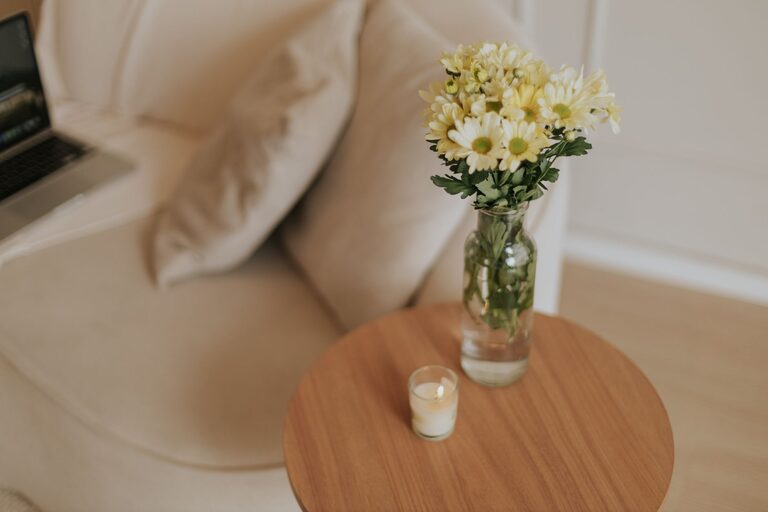

Creating a workspace at home that supports both relaxation and productivity can be a game-changer for your daily routine. Whether you work remotely, freelance, or want a dedicated spot for personal projects, a thoughtfully arranged home office improves focus, reduces stress, and helps separate work from leisure.
In this post, we’ll explore tips to help you set up a comfortable, inspiring, and efficient home workspace that encourages good habits and keeps distractions low.
1. Choose the Right Location
Finding the ideal spot in your home is the first step:
– Quiet and low traffic: Pick a room or corner away from noise and high foot traffic to minimize interruptions.
– Natural light: Sit near a window if possible. Natural light boosts mood and alertness.
– Ventilation: Good airflow keeps the space fresh and inviting.
If space is tight, consider using room dividers or screens to create a work zone within a larger area.
2. Invest in Ergonomic Furniture
Comfort directly impacts productivity and wellbeing:
– Chair: A supportive office chair with adjustable height and lumbar support reduces strain on your back and neck.
– Desk: Choose a desk at the right height for you. Standing desks or adjustable desks offer flexible options to switch between sitting and standing.
– Monitor position: Place your computer screen at eye level to avoid unnecessary neck strain.
Ergonomic furniture pays off by keeping your body comfortable during long working hours.
3. Keep Your Workspace Organized
Clutter can distract you, so maintaining an orderly environment is important:
– Declutter regularly: Remove non-essential items from your desk.
– Storage solutions: Use shelves, drawers, and organizers to keep documents and supplies tidy.
– Cable management: Use clips or ties to keep wires neat and out of the way.
An organized workspace helps you focus and saves time spent searching for items.
4. Personalize Your Space Thoughtfully
Add elements that make your workspace inviting, but avoid overdecorating:
– Plants: Small indoor plants can reduce stress and improve air quality.
– Artwork: Choose calming or inspiring images that boost your mood.
– Lighting: Use a desk lamp with adjustable brightness for task lighting, especially in the evening.
Personal touches create a sense of ownership and motivation while avoiding visual distractions.
5. Minimize Distractions
Managing distractions is key to maintaining productivity:
– Phone settings: Use “Do Not Disturb” or silent mode during focused work sessions.
– Limit noise: If background noise is unavoidable, try noise-canceling headphones or white noise machines.
– Digital tools: Utilize browser extensions or apps that block distracting websites in set time blocks.
Creating boundaries within your workspace encourages sustained and focused work periods.
6. Establish a Routine and Break Schedule
Your environment supports habits, but routines also help:
– Set working hours: Stick to a consistent start and finish time to separate work from personal time.
– Take breaks: Incorporate short breaks every hour to stretch, rest your eyes, and refresh your mind.
– Designate zones: If space allows, keep work activities confined to your designated area to reinforce mental separation.
Routines reduce burnout and improve productivity by aligning your body and mind with your daily goals.
7. Maintain Proper Lighting
Besides natural light, proper lighting can improve comfort and reduce eye strain:
– Use warm or neutral tones: Bright white lights can feel harsh, while warm light creates a cozy atmosphere.
– Adjustable lighting: Choose lamps or bulbs with dimmers so you can tailor brightness as needed.
– Avoid glare: Position screens and lights to prevent reflections or harsh shadows on your work surface.
Good lighting promotes alertness and reduces fatigue throughout your workday.
8. Incorporate Relaxation Techniques
To keep your workspace relaxing:
– Breathing space: Leave some open area to shift position or do stretches.
– Calming scents: Consider essential oils or candles with relaxing scents like lavender or eucalyptus (if allowed).
– Background music: Play soft instrumental or ambient music if it helps your focus.
Integrating small relaxation cues in your space nurtures a balanced mindset.
—
Final Thoughts
Setting up a home workspace that balances productivity and relaxation takes intention and care. With a well-chosen location, ergonomic furniture, organization, personalized touches, and healthy routines, you can create an environment that helps you do your best work while feeling calm and comfortable.
Remember, your workspace should evolve with your needs, so keep adjusting until you find a setup that truly supports your well-being and goals. Happy organizing!
About the Author